Andrea Quintero Reis, MD: Goryeb Children's Hospital, Pediatrics – PGY2
Peru: January 2026
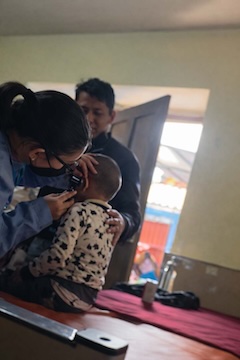
I recently completed a medical mission trip in Peru with the organization Máximo Nivel, working at the Posta de Salud Miraflores, a free community clinic serving a predominantly low-resource population. The clinic cared for both adult and pediatric patients and functioned with extremely limited resources. Nearly all diagnostic and therapeutic decisions were made clinically, highlighting the critical importance of a thorough history and physical examination. When available, diagnostics were limited to ultrasound, basic blood work, and stool studies, reflecting the high burden of gastrointestinal disease and parasitic infections in the community.
I encountered a wide range of pathology, including neurocysticercosis and rare presentations such as vicarious menstruation, in which a young woman experienced cyclical epistaxis thought to result from ectopic endometrial tissue in the nasal mucosa. Preventive care and nutritional counseling were central to nearly every visit, as diets were heavily carbohydrate-based and many patients struggled with vitamin deficiencies, obesity, and diabetes. Language barriers were common, as many patients spoke Quechua, which limited some encounters. Referral options were extremely restricted, with access to only one specialist referral at a time.
Musculoskeletal complaints, particularly lower back pain, were prevalent due to agricultural labor and the physical burden of carrying children and heavy loads. Infection control resources were scarce, with limited gloves and the need to reuse masks and gowns. Although supervising physicians were not pediatric specialists, I assisted with pediatric cases and shared knowledge on topics such as milk protein allergy and COVID-19 management. This experience strengthened my clinical reasoning, reinforced cost-conscious care, and deepened my appreciation for practicing medicine in resource-limited settings and for the resources available within the U.S. healthcare system.